



Products
Audio-video interface AV
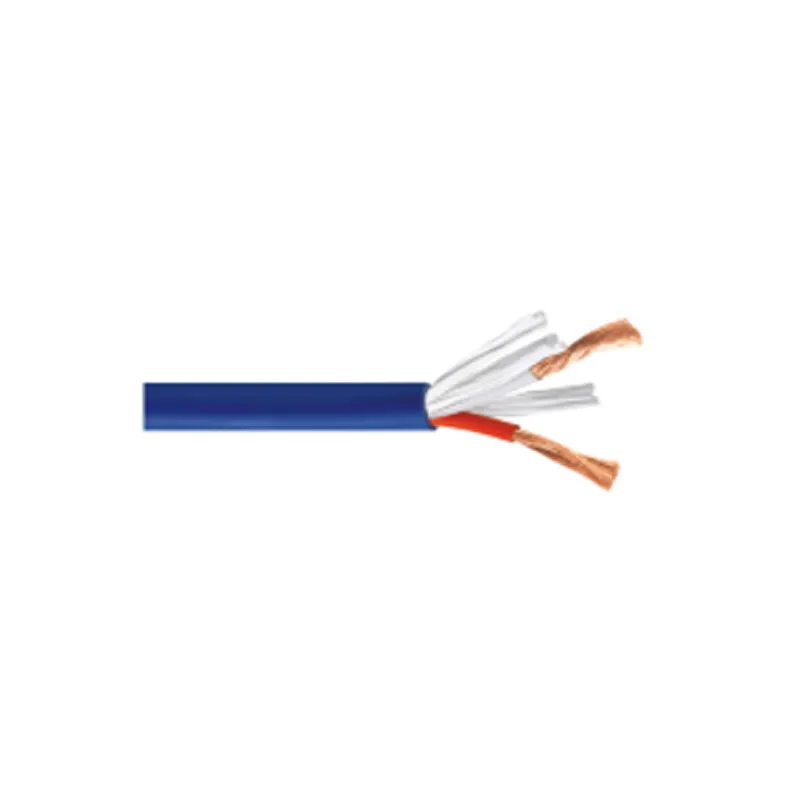
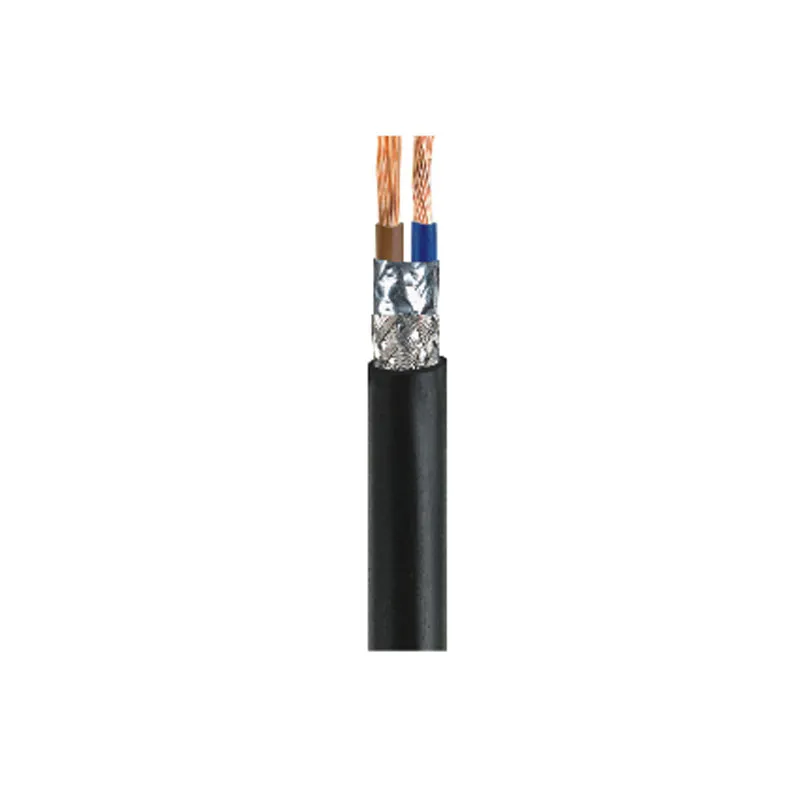
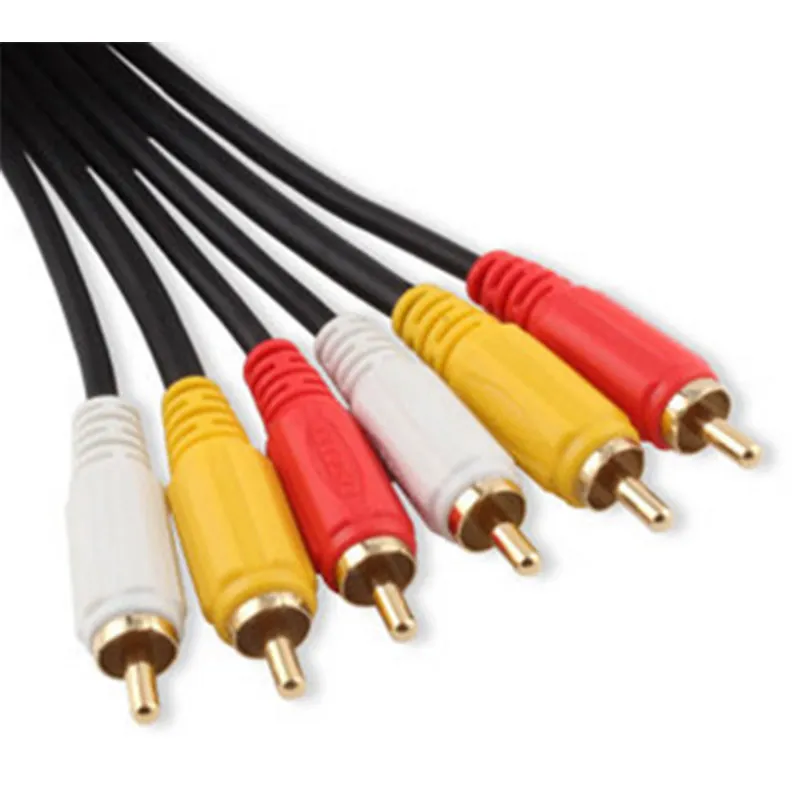
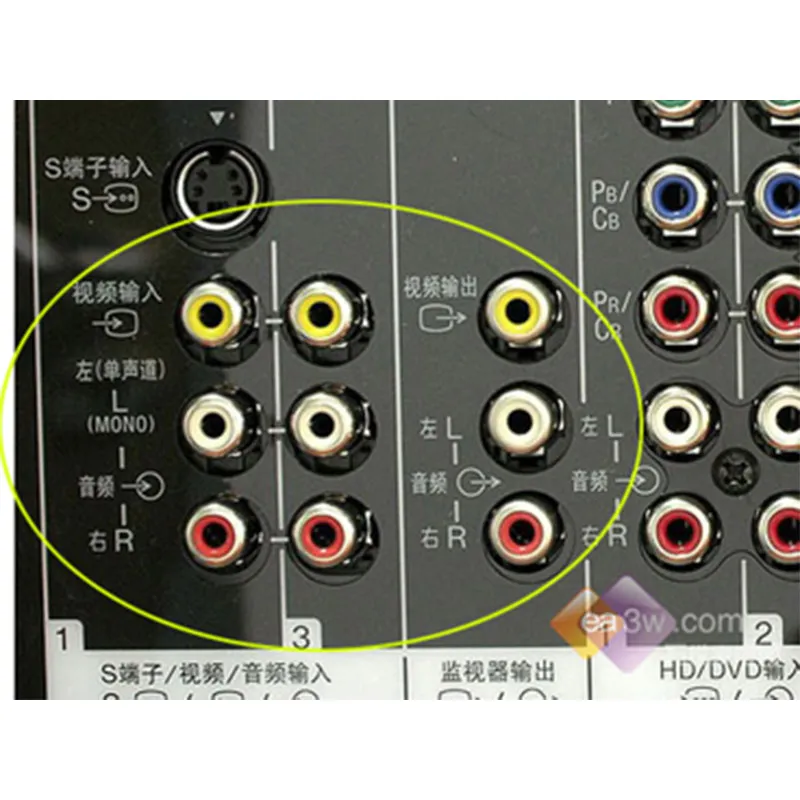
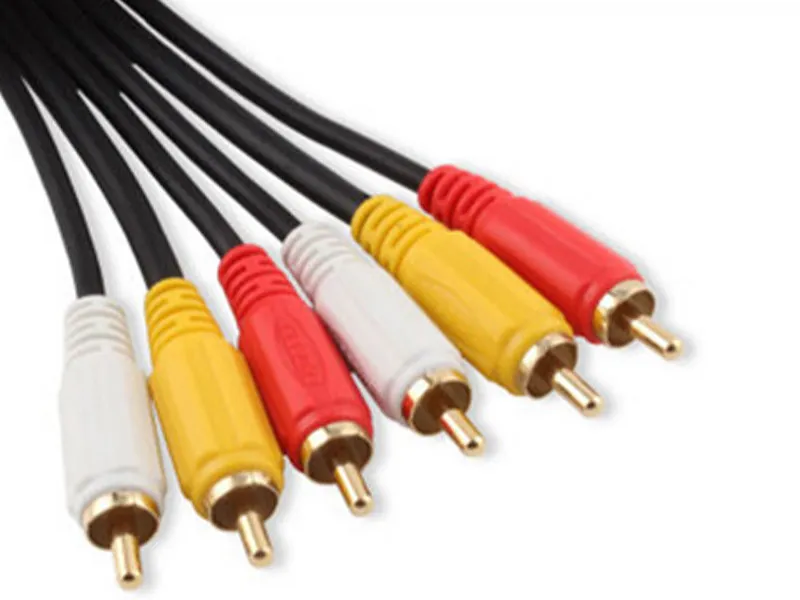
Currently, composite video AV cables are the most common interface in audio-visual devices. These are analog interfaces consisting of three RCA connectors: yellow, white and red. The yellow connector transmits video signals, the white connector transmits left channel audio signals, ...
Description
marker
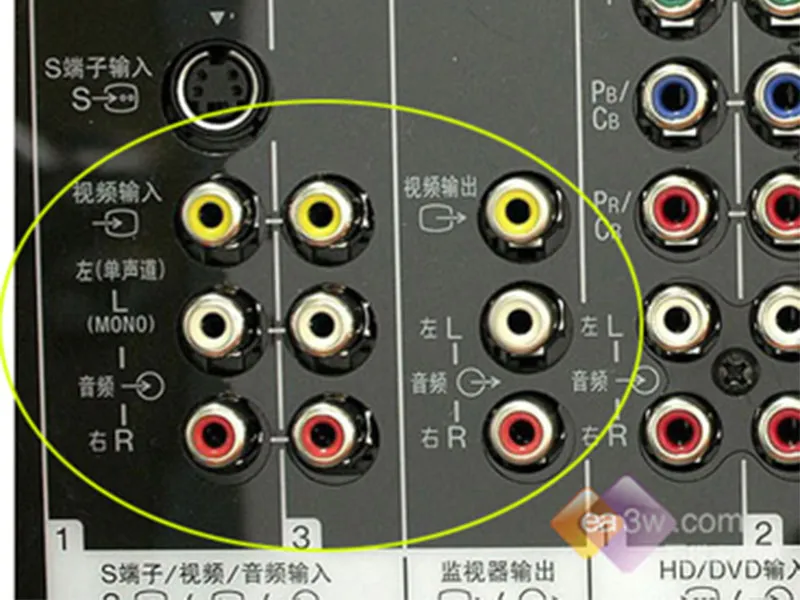
Currently, composite video AV cables are the most common interface in audio-visual devices. These are analog interfaces consisting of three RCA connectors: yellow, white and red. The yellow jack carries video signals, the white jack carries left channel audio, and the red jack carries right channel audio. Composite AV cable provides separate transmission of audio and video signals, avoiding picture quality degradation caused by interference when mixing audio and video. However, since the AV interface still transmits a mixed luma/chroma (Y/C) video signal, the display device still needs to perform luma/chromina separation and chroma decoding to form an image. This process of mixing and subsequent separation inevitably results in the loss of the color signal, and the chrominance and luma signals also have a high probability of interfering with each other, thus affecting the quality of the final output image. 75-3 (approximately 100 meters); 75-5 (approximately 300 meters)
contact us
Related Popular Products
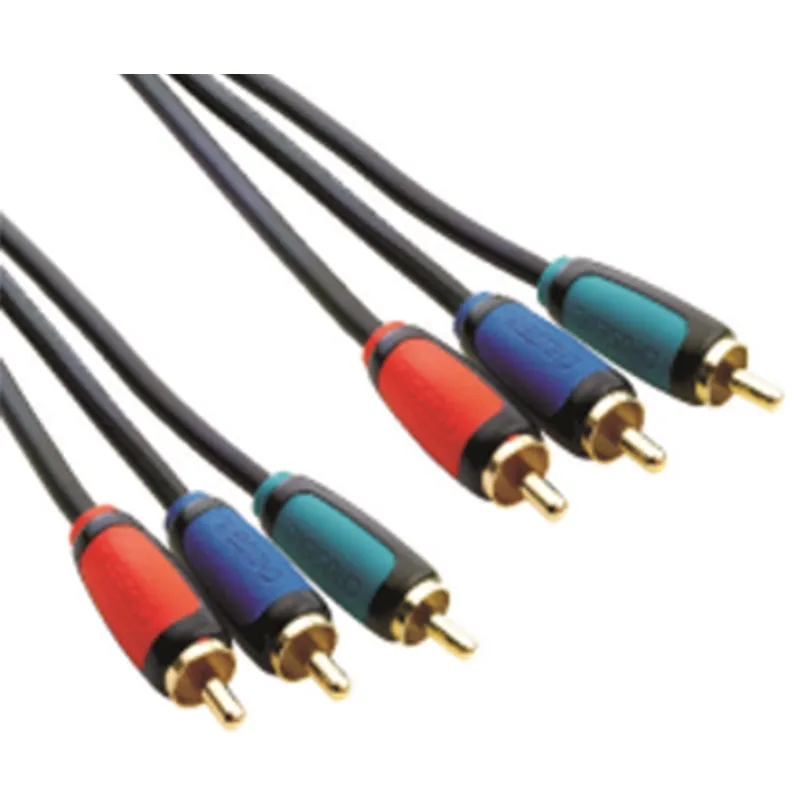
Component video interface
Component interfaces use two identifiers: YPbPr and YCbCr. The first one indicates the output of the...
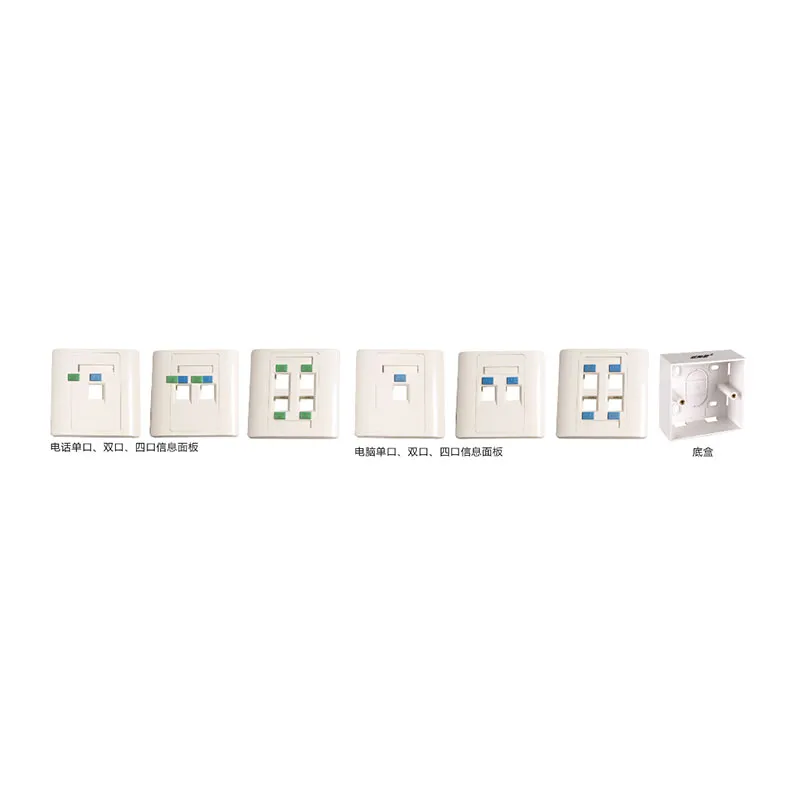
Power socket and wiring box for power cable
Information panel of product characteristics: ■ Computer/telephone marking for easy identification...
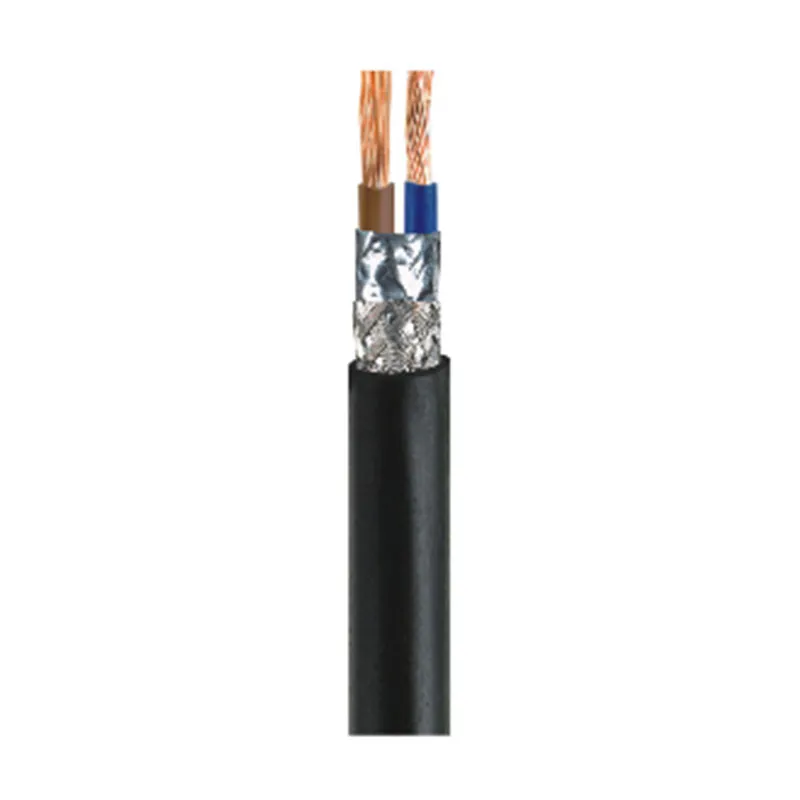
RVSP 300/300V Flexible copper cable with PVC insulation and sheath, shielded twisted pair
Applications: For shielded wires and cable connections requiring noise suppression...
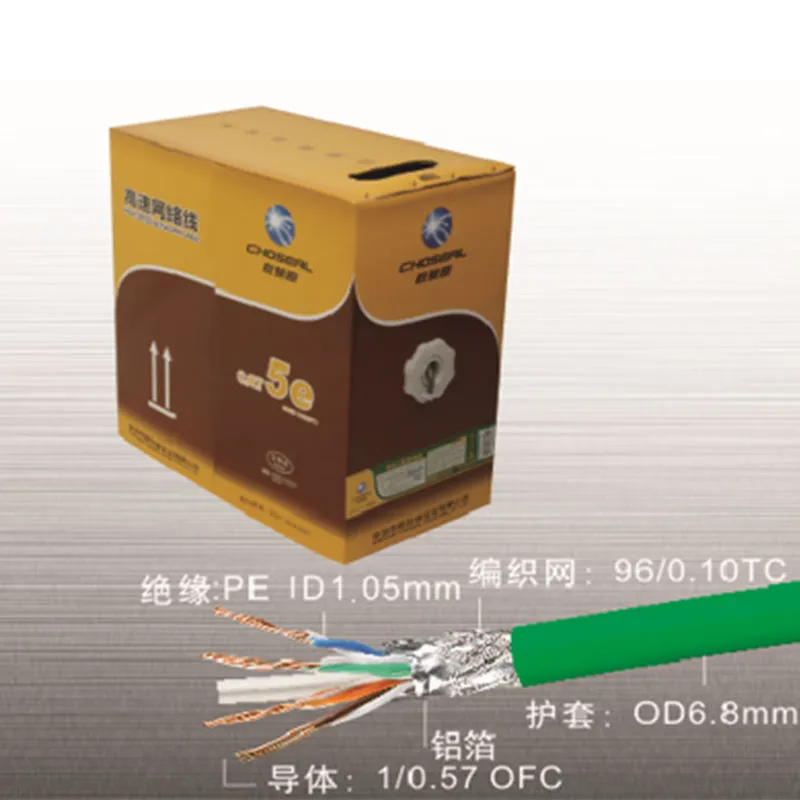
Shielded network cable protected from rodents and ants
Product description: Category 6 shielded network cable protected from rodents and ants Internal...
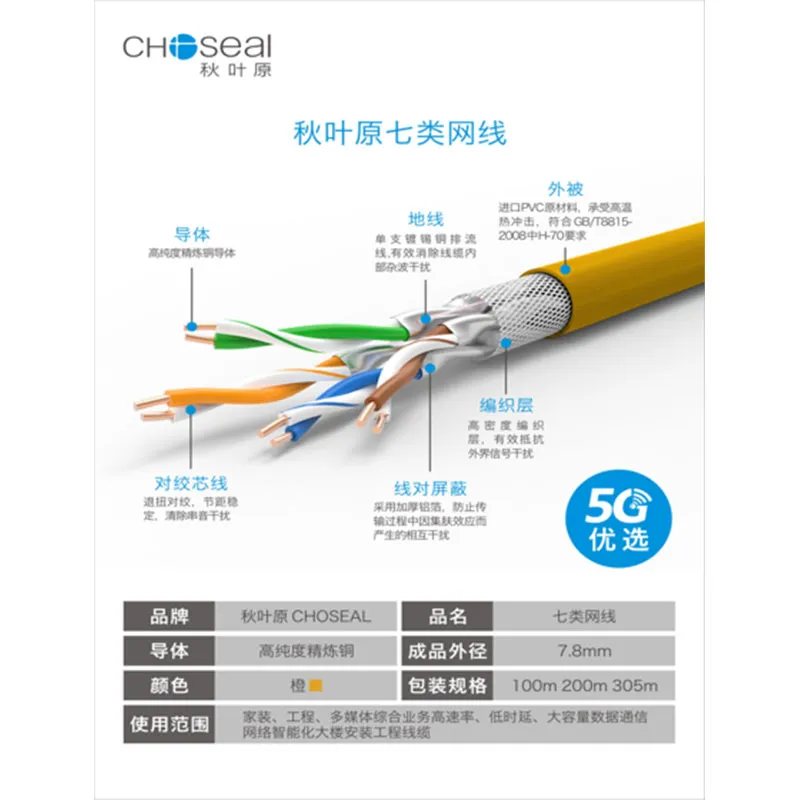
Category 7 cable
Compliance standards: YD/T1019-2001, TIA/EIA 568A/B Bandwidth: 350 MHz - 650 MHz Bandwidth...
.webp)
Category 8 Shielded Twisted Pair
Component interfaces use two identifiers: YPbPr and YCbCr. The first one indicates the output of the...
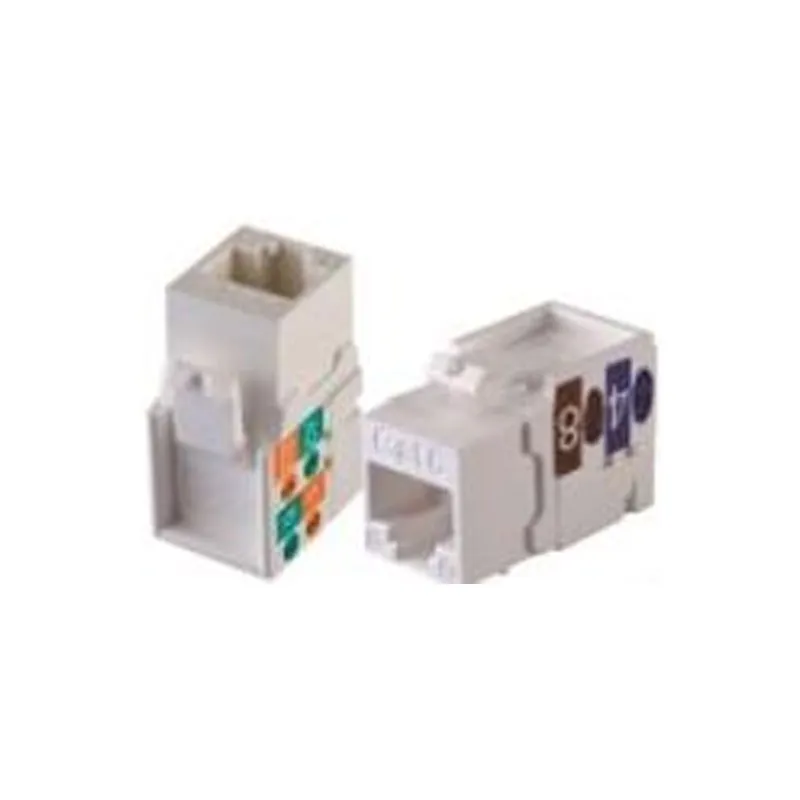
Category 6 unshielded module
Product Features: System performance refers to TIA/EA-568DDSo/HC11801CAT6 standard...
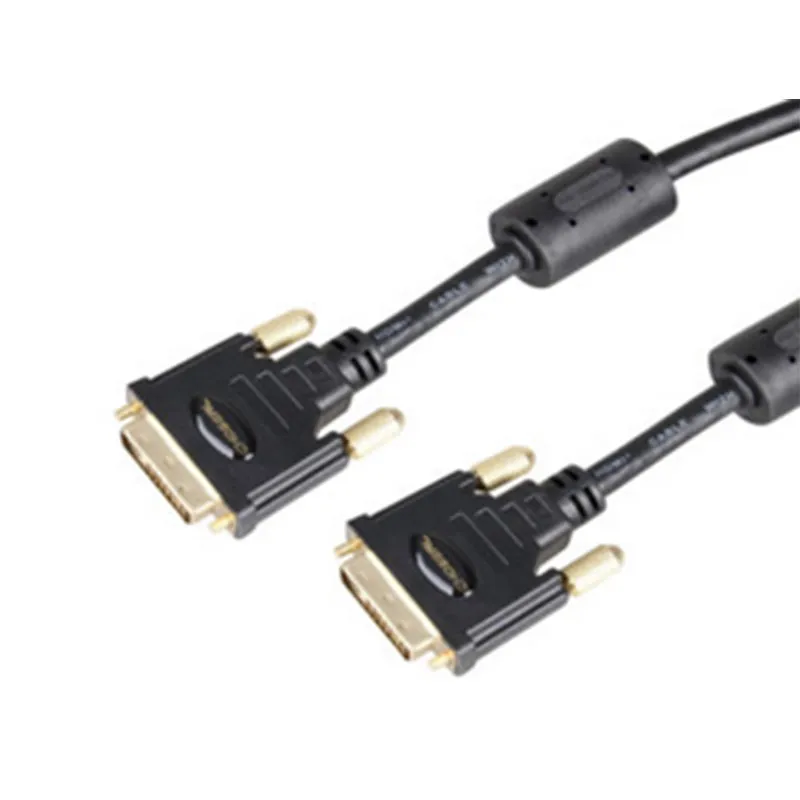
DVI interface
DVI interface, or digital video interface. The DVI interface standard was introduced in 1999...
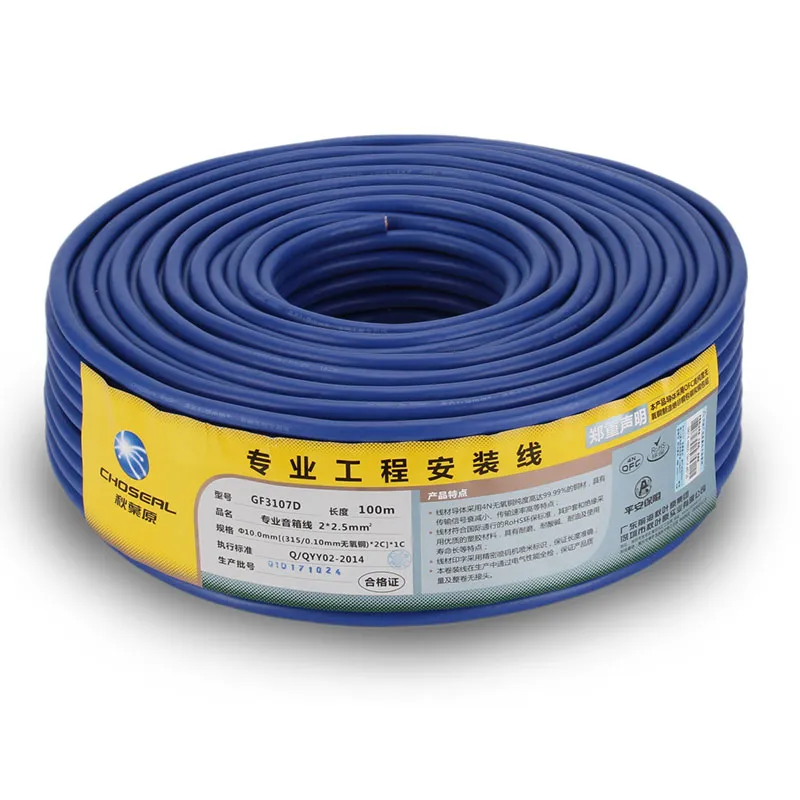
EVJV Professional acoustic cable
Features: 1.Low loss: using high-purity oxygen-free copper conductors for...
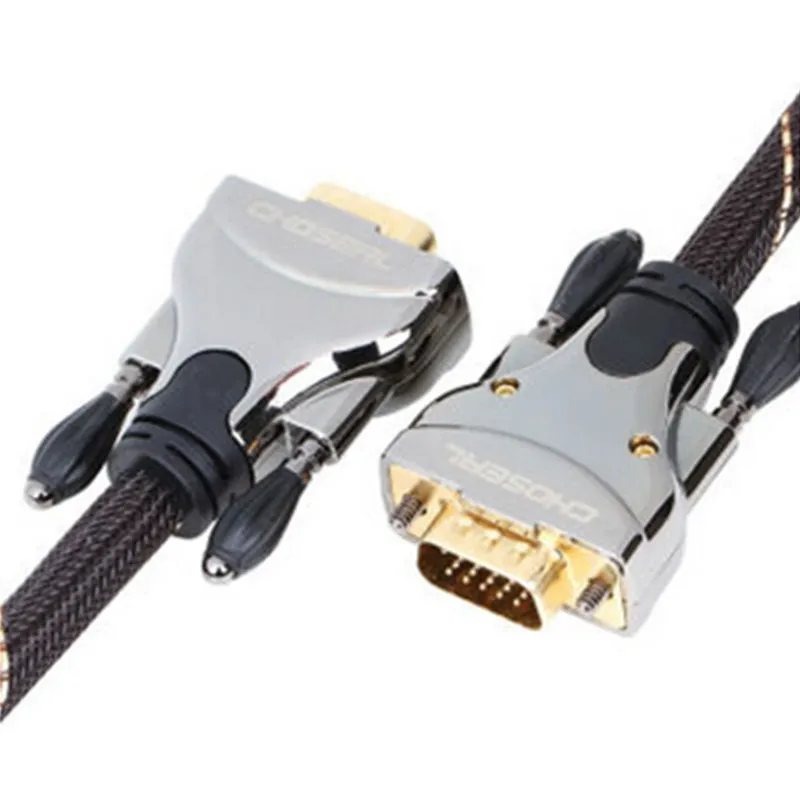
VGA interface
VGA, also known as D-Sub, has a 15-pin connector arranged in three rows of five...
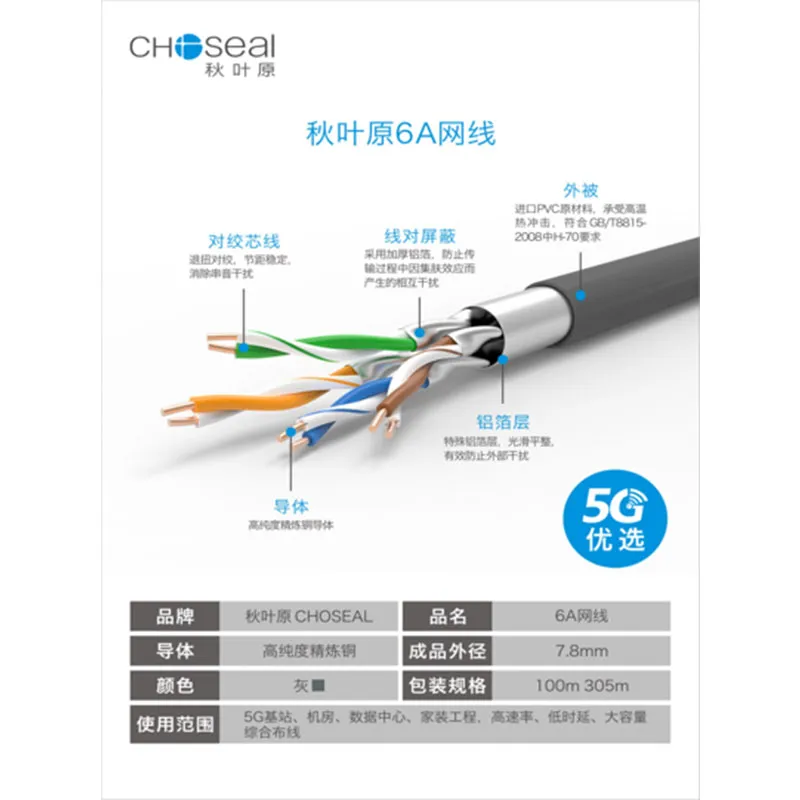
Shielded cable category 6a
Compliance standards: YD/T1019-2001, TIA/EIA 568A/B Bandwidth: 250 MHz - 500 MHz Bandwidth...
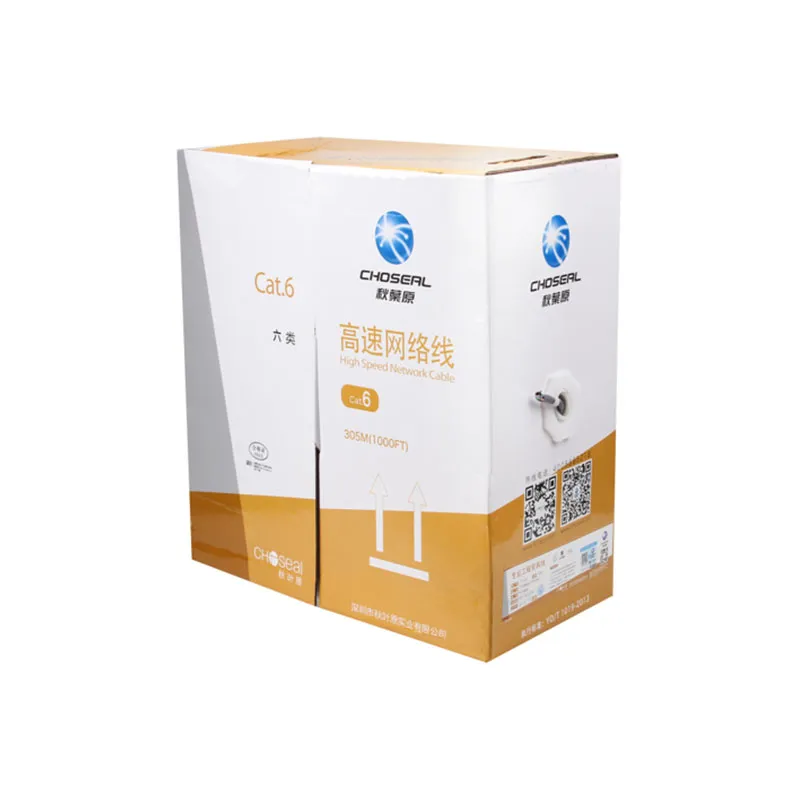
Category 6 cable
Compliance Standards: YD/T1019-2001, TIA/EIA 568A/B Conductor: 0.57mm Cleaned Copper Wire...
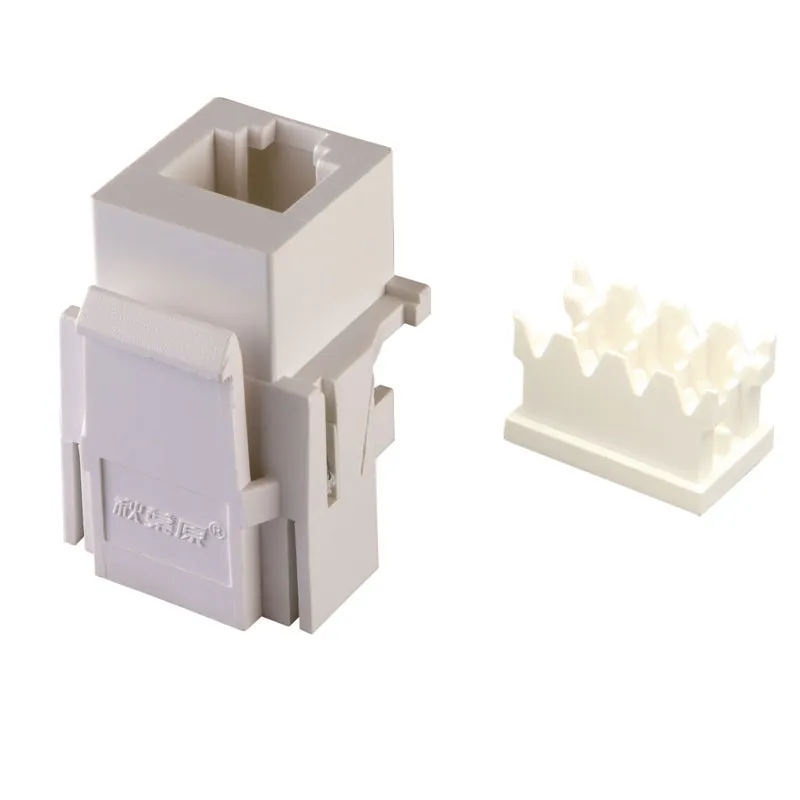
Telephone voice module
Product Features: ■ Supports 110 universal termination for reliable connections ■ Gold...
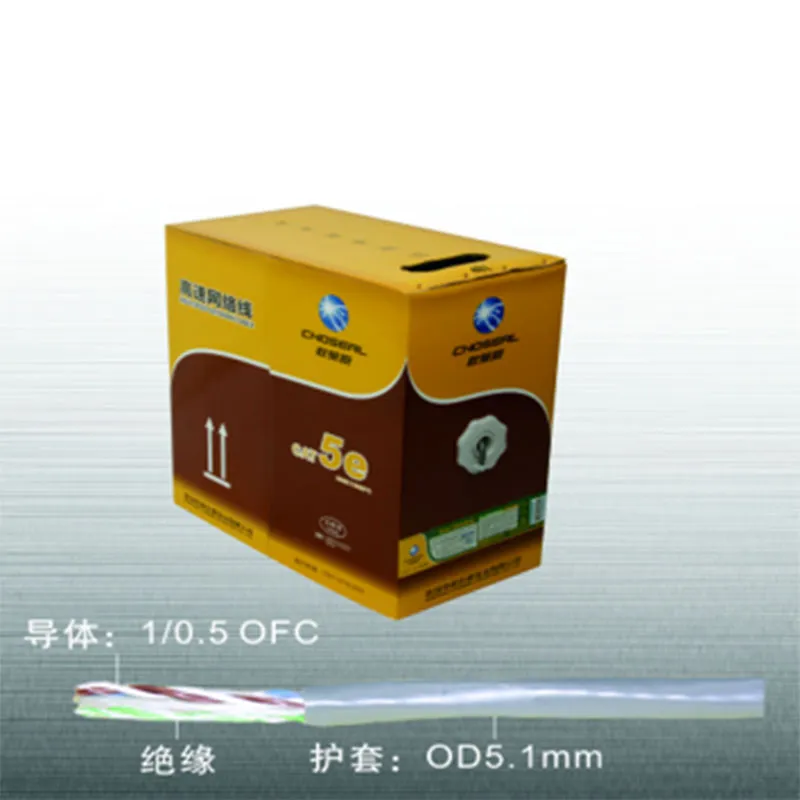
Category 5e unshielded cable
Cable Conductor Structure Akihabara cable is equipped with 100% pure oxygen-free conductors...
EV Cable acoustic parallel transparent
Features: 1.Low loss: using high-purity oxygen-free copper conductors for...
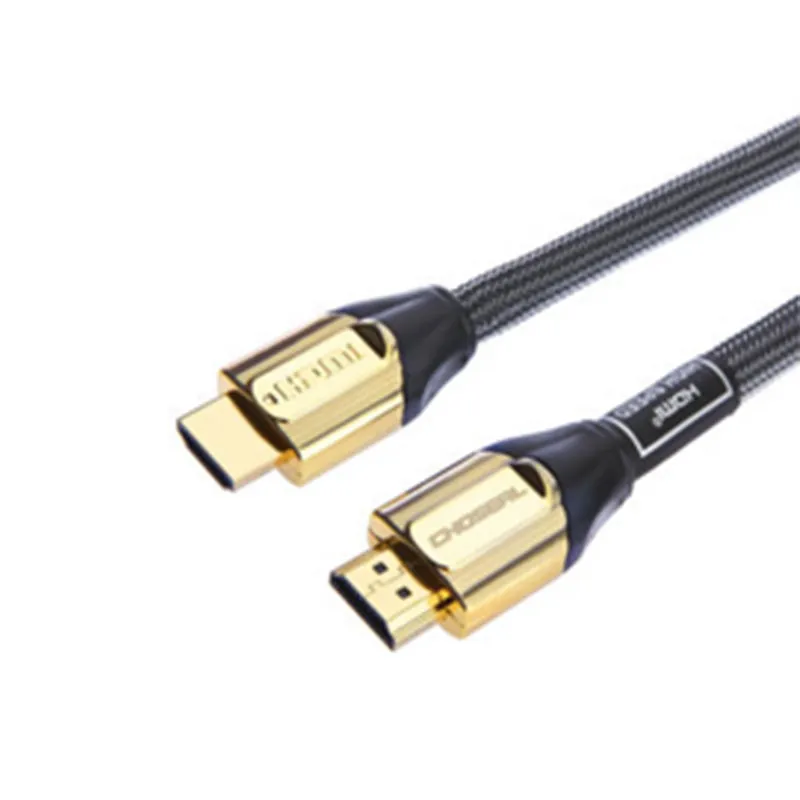
HDMI interface
HDMI is a next-generation multimedia interface standard that stands for multimedia...