



Products
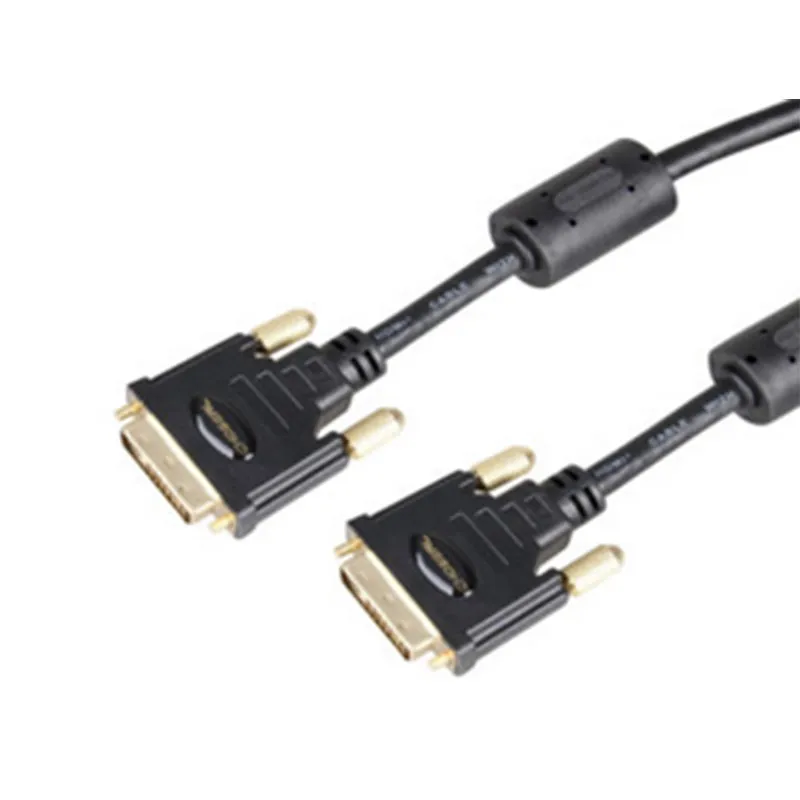
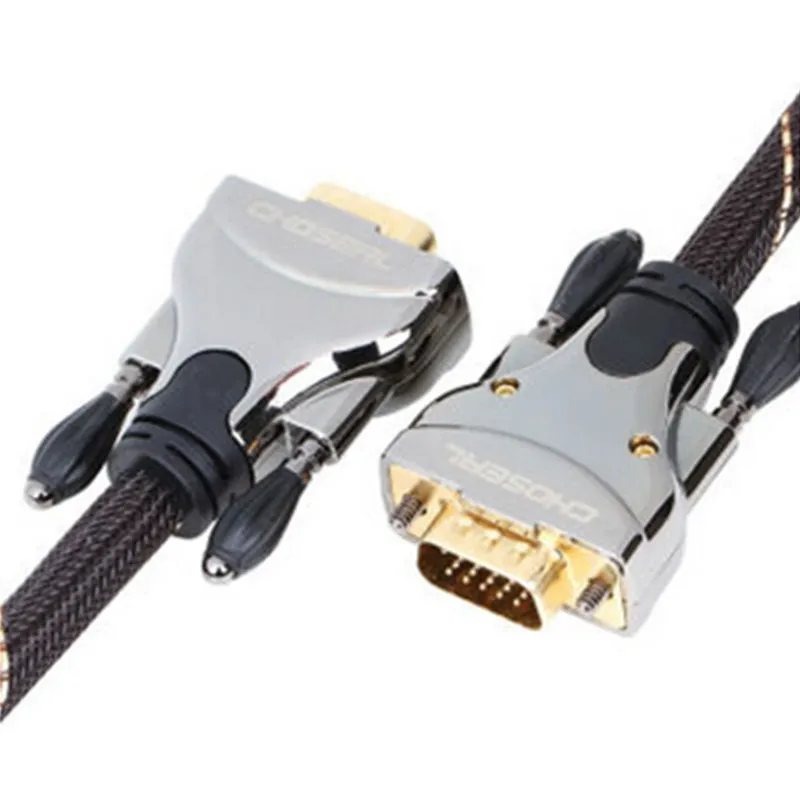
VGA interface
VGA, also known as D-Sub, has a 15-pin connector arranged in three rows of five pins each. This interface is the most common type on video cards and is present on the vast majority of models. It transmits red, green and blue analogue signals...
Description
marker
VGA, also known as D-Sub, has a 15-pin connector arranged in three rows of five pins each. This interface is the most common type on video cards and is present on the vast majority of models. It transmits red, green and blue analog signals along with synchronization signals (horizontal and vertical). When connecting devices via VGA, the cable length should ideally not exceed 10 meters. Make sure that the connectors are securely fastened, as loose connections may cause ghosting in the displayed image.
VGA supports 16 colors or 256 shades of gray at higher resolutions such as 640x480, while maintaining 256 colors at 320x240. Later updates increased the video memory to 1 MB, allowing support for higher resolutions such as SVGA (800x600) or XGA (1024x768). Subsequently, expanded resolutions appeared, including SXGA (1280x1024), SXGA+ (1400x1050), UXGA (1600x1200), WXGA (1280x768), WXGA+ (1440x900), WSXGA (1600x1024), WSXGA+ (1680x1050), WUXGA (1920x1200) and WQXGA (2560x1600). All of these VESA compliant resolution signals can be transmitted through the VGA interface.
contact us
Related Popular Products
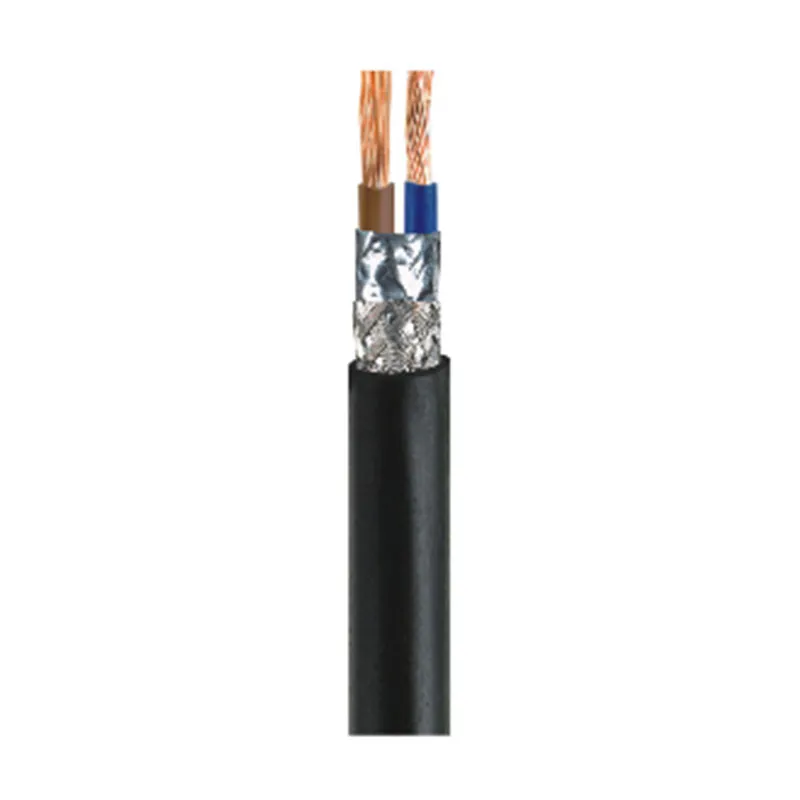
RVSP 300/300V Flexible copper cable with PVC insulation and sheath, shielded twisted pair
Applications: For shielded wires and cable connections requiring noise suppression...
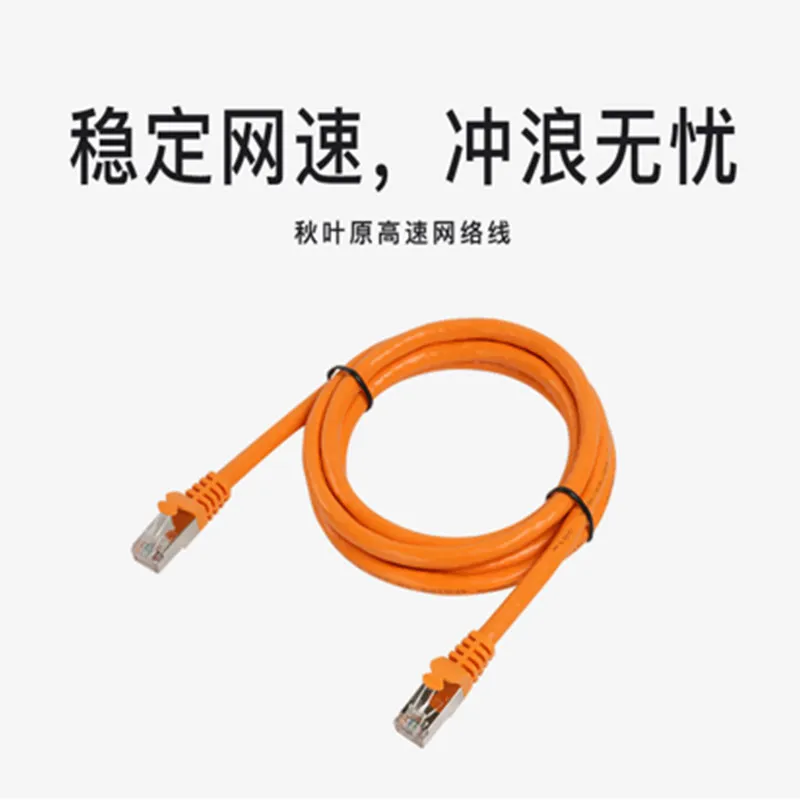
Patch cord
Category 6 Unshielded Patch Cords, Category 6 Shielded Patch Cords, Shielded Patch...
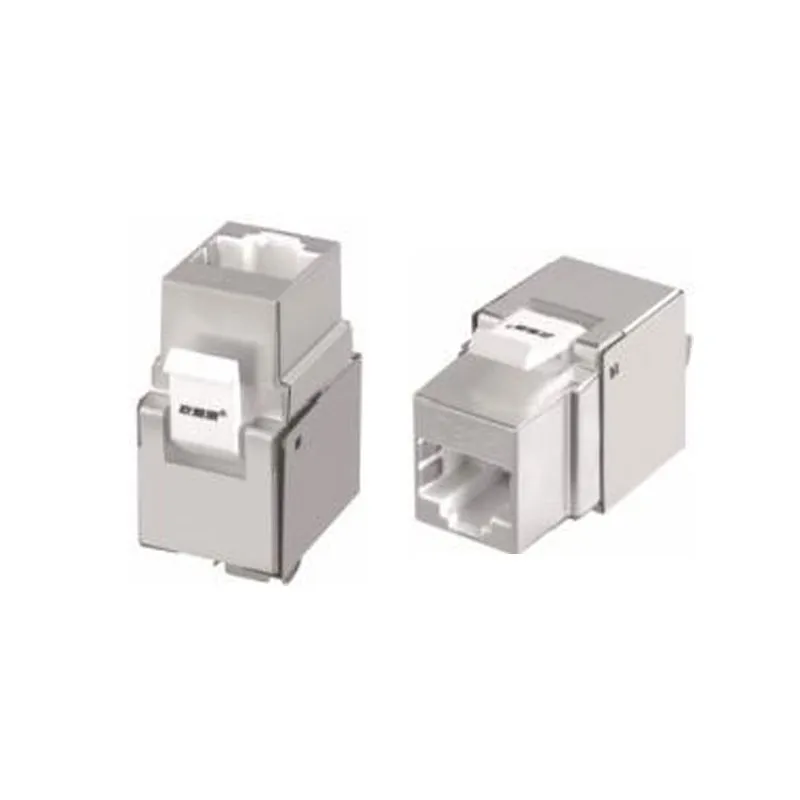
Category 6 shielded module
Product Features: ■ System performance exceeds TIA/EIA-568B and...
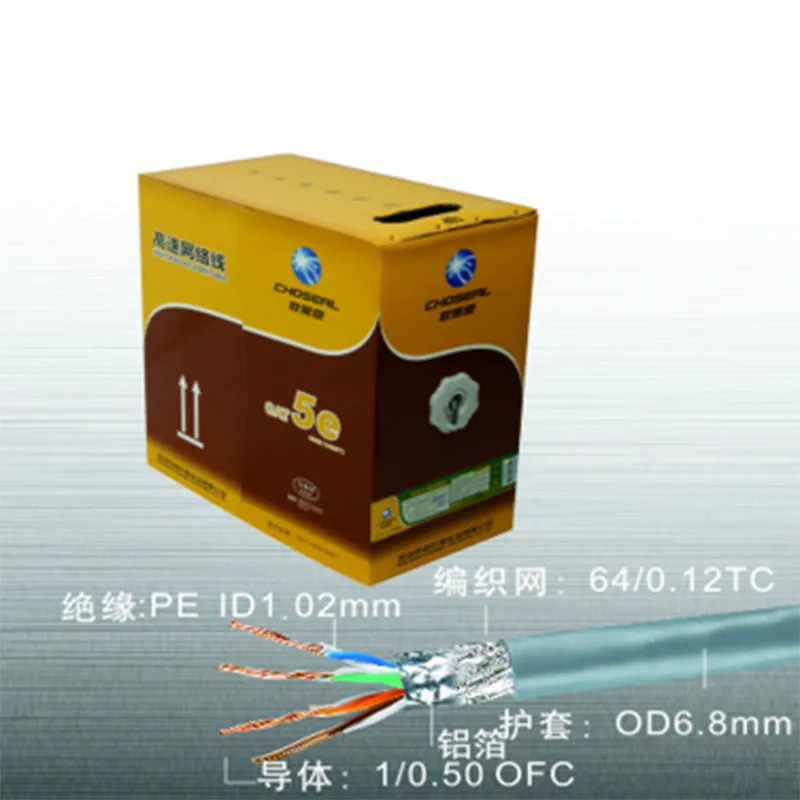
Shielded cable category 5e
Cable core structure Shielded cable category 5e Inner conductor: 1/0.5 mm OFC...
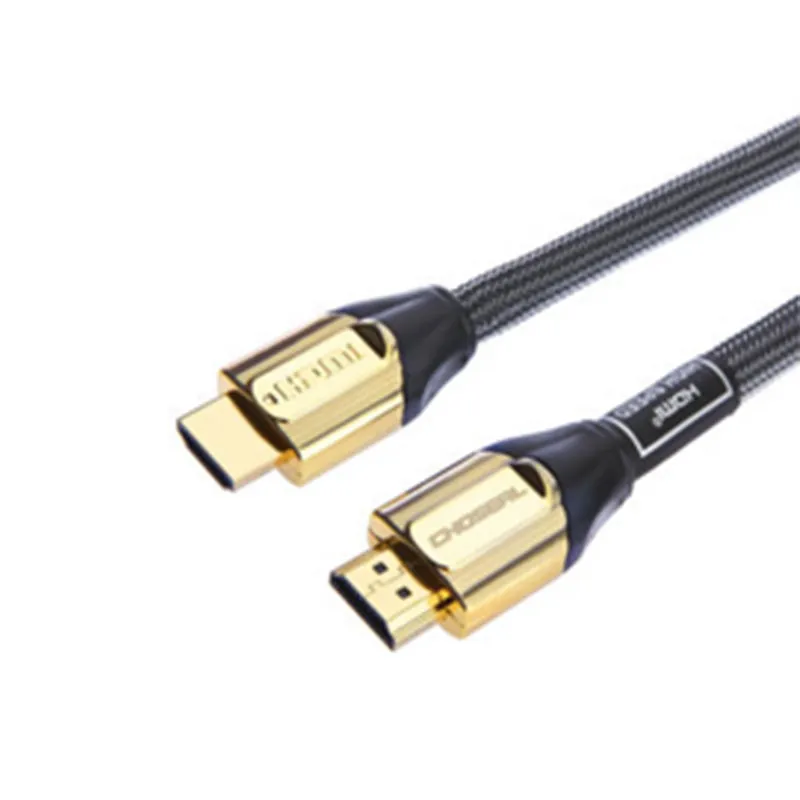
HDMI interface
HDMI is a next-generation multimedia interface standard that stands for multimedia...
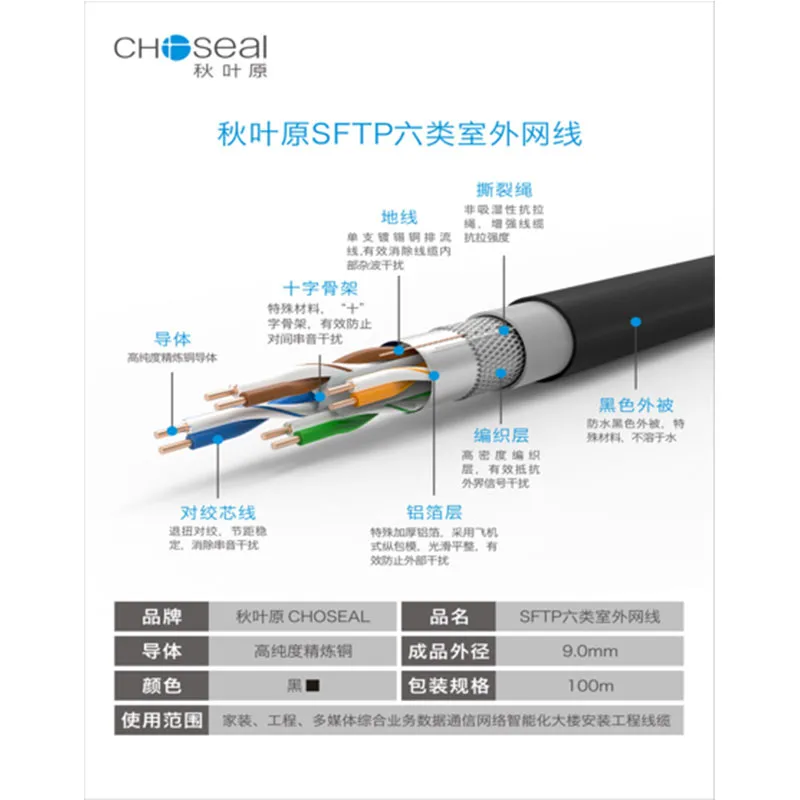
Shielded cable category 6 (indoor/outdoor)
Compliance standards: YD/T1019-2001, TIA/EIA 568A/B Bandwidth: 150 MHz - 250 MHz Bandwidth...
EV Cable acoustic parallel transparent
Features: 1.Low loss: using high-purity oxygen-free copper conductors for...
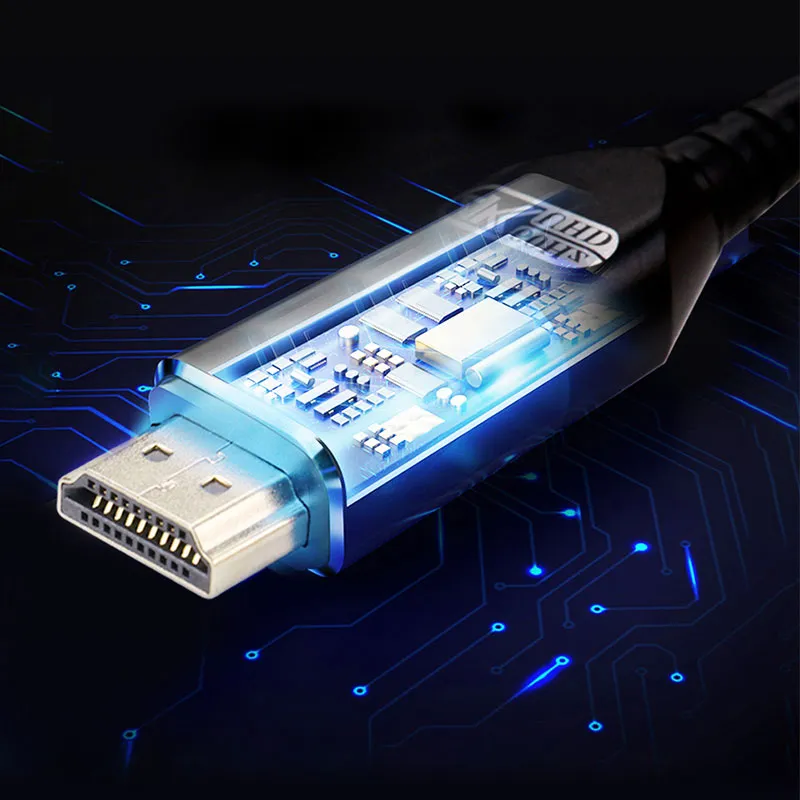
HDMI fiber optic cable
Product Specifications Brand: Akihabara/CHOSEAL Product Name: Fiber Optic...
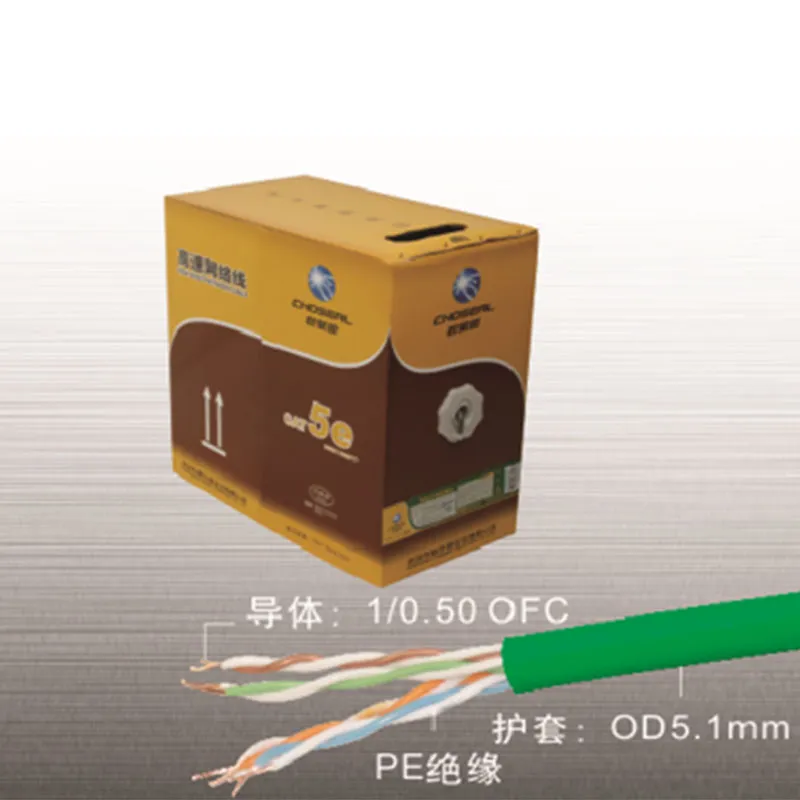
Low smoke halogen free network cable
Product Description: Low Smoke Flame Retardant Halogen Free Unshielded Category 5e Cable Internal...
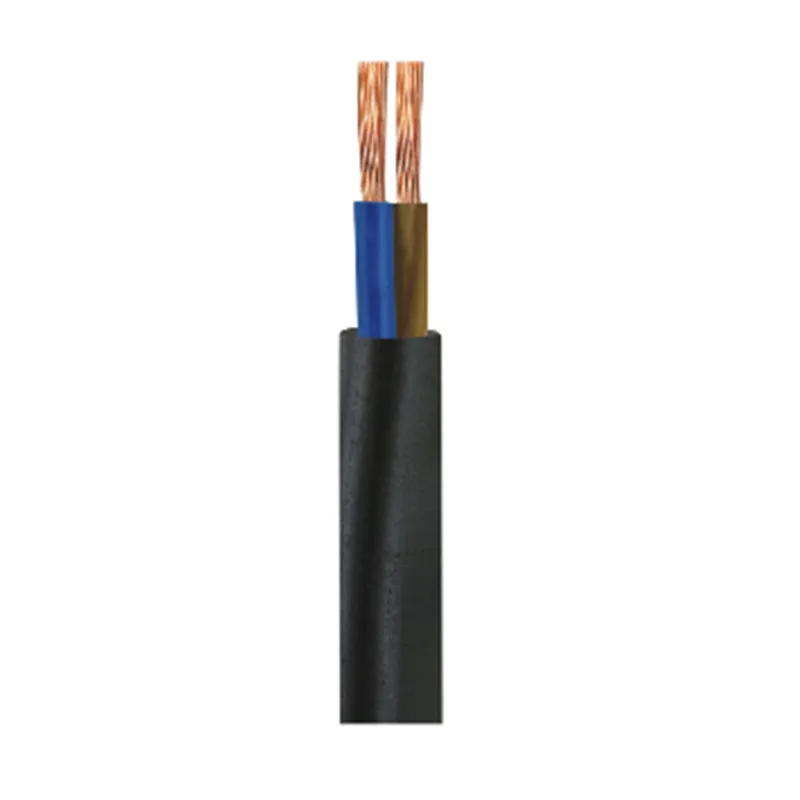
227IEC 53(RVV) 300/500V Copper cable with PVC insulation and general purpose sheath
Scope of application: Mainly used in flexible systems for medium and light mobile...
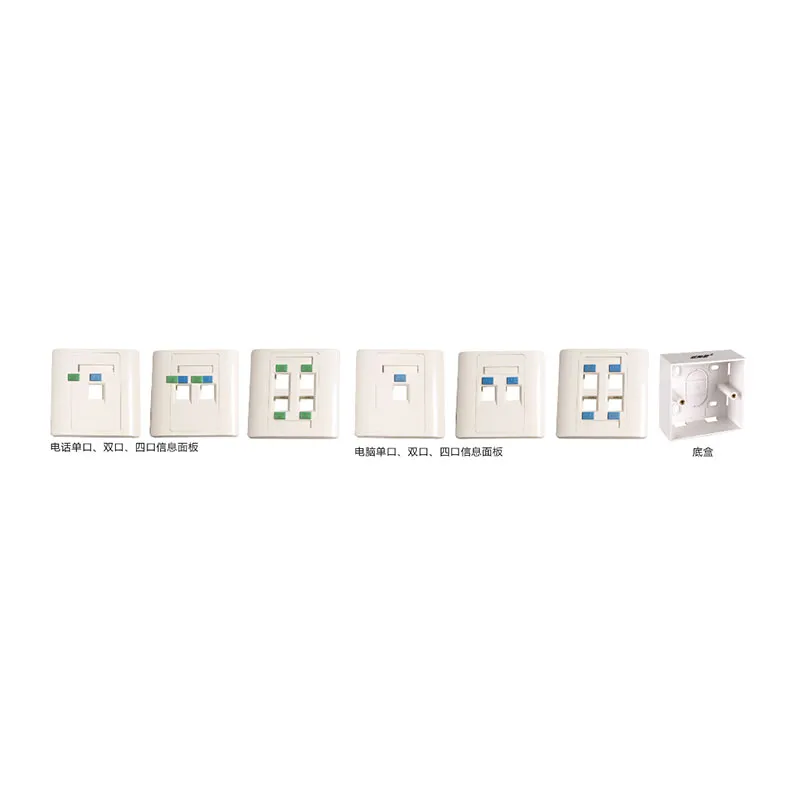
Power socket and wiring box for power cable
Information panel of product characteristics: ■ Computer/telephone marking for easy identification...
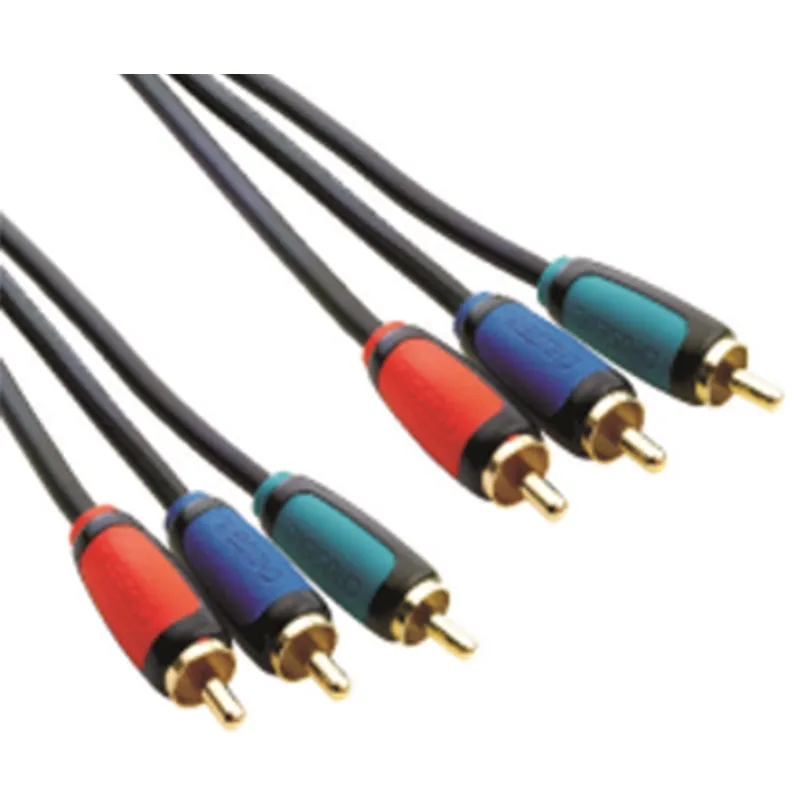
Component video interface
Component interfaces use two identifiers: YPbPr and YCbCr. The first one indicates the output of the...
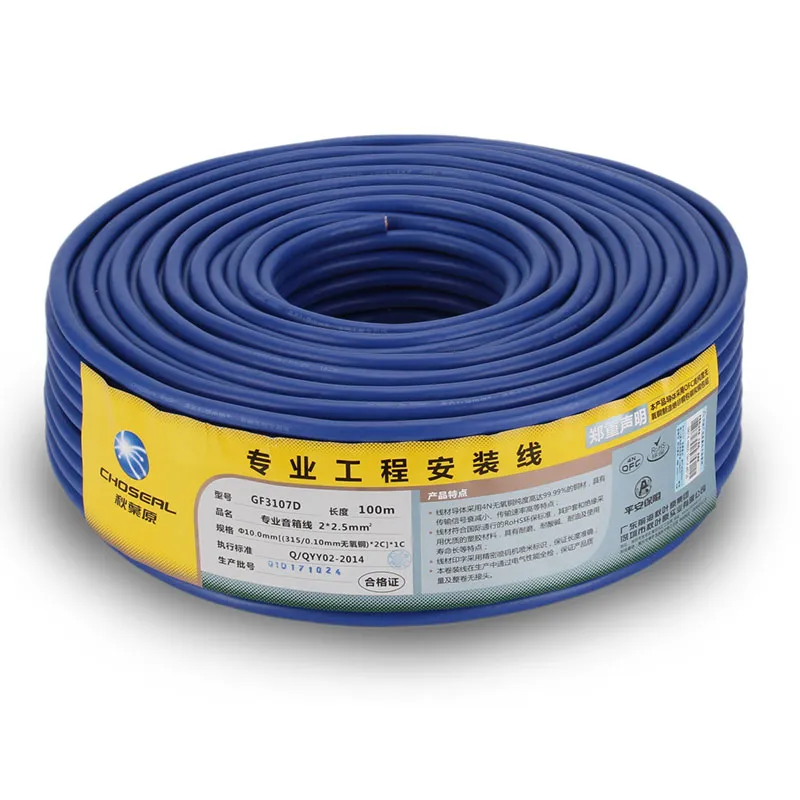
EVJV Professional acoustic cable
Features: 1.Low loss: using high-purity oxygen-free copper conductors for...
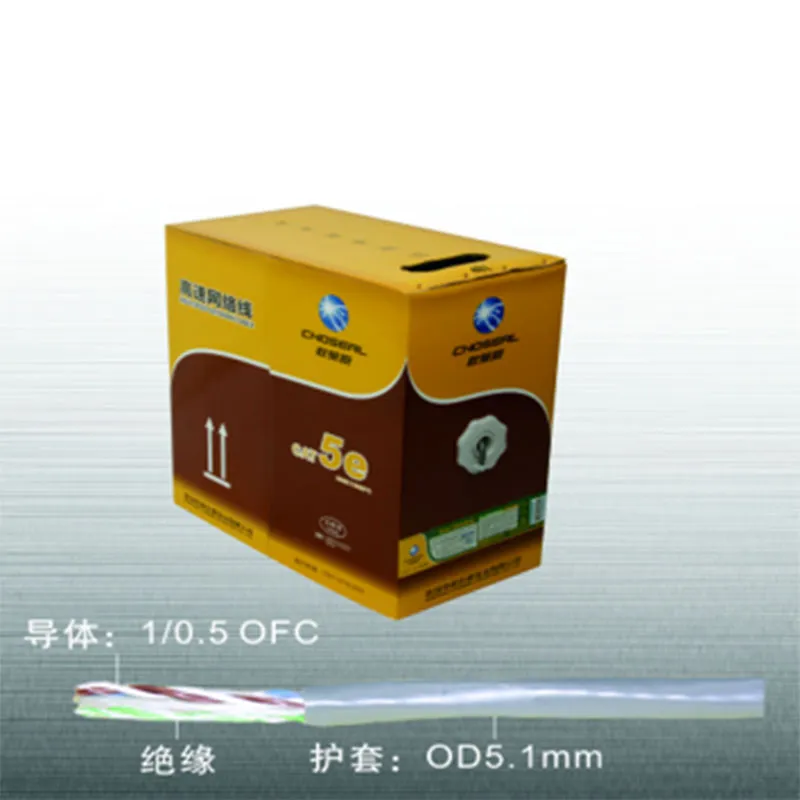
Category 5e unshielded cable
Cable Conductor Structure Akihabara cable is equipped with 100% pure oxygen-free conductors...
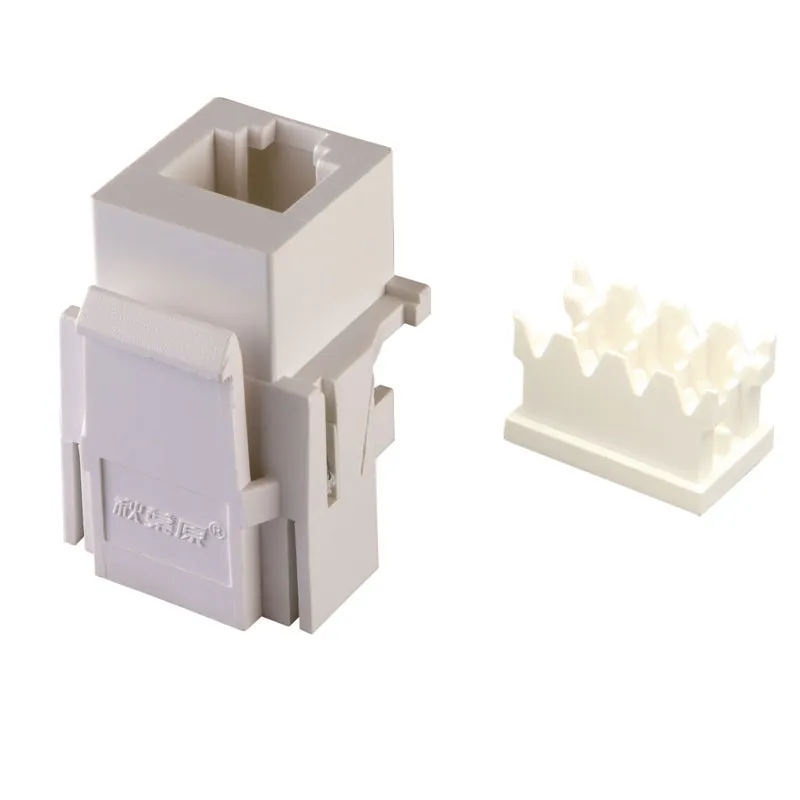
Telephone voice module
Product Features: ■ Supports 110 universal termination for reliable connections ■ Gold...
Category 6 unshielded module
Product Features: System performance refers to TIA/EA-568DDSo/HC11801CAT6 standard...